
Reviewed · LITTLE HAVANA TOURS
Little Havana: Authentic Food and Culture Walking Tour
Little Havana’s best introduction is not a checklist of landmarks. It is a slow walk from one family-run counter to the next, with Cuban coffee passed around in a tiny colada, a mojito in hand, and local stories filling the gaps between bites. This two-and-a-half-hour food walk connects Calle Ocho’s daily life with the Cuban-American story behind it.
I especially like the generous range of tastings and the personal feel created by guides such as Danny, Daniel, and Farouk. Danny is known for greeting shopkeepers and people along the street, which gives the walk a friendly neighborhood rhythm. I also like that the tour includes Domino Park, cigar rolling, murals, and art galleries, not just restaurant stops.
Come hungry, wear good walking shoes, and expect a full meal rather than a few token samples. One practical drawback is that the tour can run longer than the advertised time, and one past experience found the guide difficult to hear without a microphone. Dietary limits are another concern: gluten-free and celiac needs cannot be accommodated.
What makes this Little Havana walk worth your time
- A full meal spread across local stops: Expect a Cuban sandwich, seafood salad, empanada, guava pastry, churros, tropical juice, Cuban coffee, and a mojito.
- A guide with neighborhood ties: Danny, Daniel, and Farouk have led groups, and Danny is especially associated with knowing local owners and residents by name.
- The Cuban coffee ritual: You share a colada at a ventanita, the small window counter that is part café, part neighborhood meeting point.
- Calle Ocho beyond the postcard sights: The route includes Domino Park, Cuban Memorial Park, the Bay of Pigs Museum, Tower Theater, murals, galleries, and a cigar factory.
- Easy walking distance: The route covers less than a mile, though you will make frequent stops and spend time standing.
- A useful first-day activity: The guide can help you get oriented and point out places to return to for food, art, and evening plans.
Calle Ocho is best understood one bite at a time
Little Havana is often reduced to painted roosters, domino tables, and cigar shops. Those sights matter, but they make more sense after you understand the people and migration stories behind them. This tour gives you that context while moving through the neighborhood at a relaxed pace.
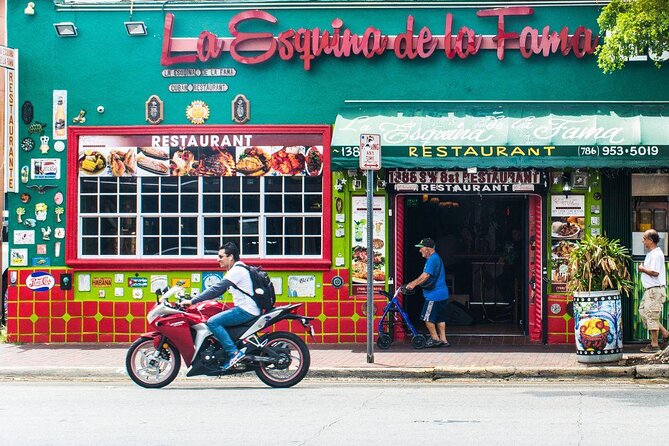
You meet at Tumbao, at 1652 SW 8th Street, then set off in a small group. The advertised group size is 10 or fewer, though the practical information allows up to 14 people, so do not assume every departure will be tiny. Even with a somewhat larger group, the short route and repeated stops keep the outing manageable.
The tour is conducted in English. Some guides speak Spanish at an intermediate level, but the experience is not run bilingually at the same time. That matters if you are hoping to hear the commentary in both languages.
The guide’s role is central here. Danny is frequently mentioned by name in connection with this walk, while Daniel and Farouk also lead departures. The strongest guides do more than recite dates. They explain United States and Cuba relations, connect the neighborhood’s past with its present, and introduce you to people working along Calle Ocho.
That local contact is one of the tour’s most appealing features. A guide who knows restaurant owners, cigar rollers, artists, and domino players can turn a short stop into a real exchange rather than a photo opportunity.
More Little Havana walks and food stops:
- Little Havana Food and Walking Tour in Miami
★ 5.0 · 8,882 reviews - Miami: Little Havana Food Walking Tour with Tastings
★ 4.9 · 1,181 reviews - Walking Food Tour of Little Havana with Cuban Dishes Tasting
★ 5.0 · 495 reviews
The food stops are substantial, not decorative samples
The tour includes food and drinks at roughly five or six local establishments, with the exact order and selection subject to change. The stated spread is enough to replace lunch or dinner, so a large meal before the meeting point would be a mistake.
You may begin with salpicon de mariscos, a seafood mixture prepared with oil, vinegar, and chopped vegetables. It has Spanish roots and shows how Cuban cooking carries outside influences without losing its own identity. This is a tasting, not necessarily a full seafood entrée, but it gives the food portion some variety before the heavier dishes arrive.
The Cuban sandwich is one of the main events. Roasted pork, ham, Swiss cheese, pickles, and mustard are pressed inside Cuban bread until the outside is crisp and the filling is warm. It is substantial enough to anchor the meal, and you should save room for it even if earlier stops have already filled you up.
You may also receive ropa vieja, stewed beef with a soft texture and savory flavor. This is a classic Cuban dish and a useful counterpoint to the sandwich, since it lets you taste a plate-based preparation rather than only handheld food.
The pastry stop brings pastelitos de guayaba y queso, flaky pastry filled with guava paste and cream cheese. It is sweet, tangy, and easy to underestimate. The itinerary also includes a baked beef empanada and churros dusted with sugar and cinnamon.
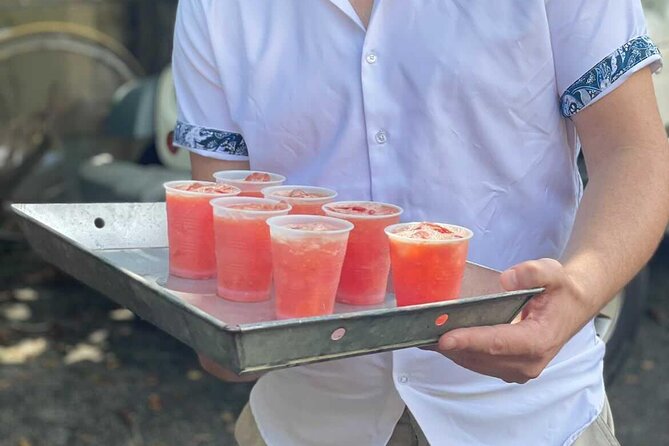
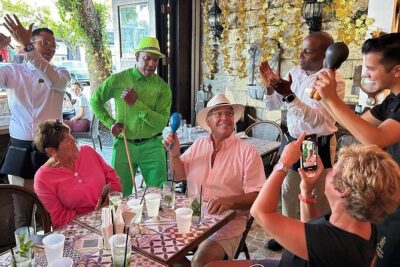
For drinks, expect more than one style of refreshment. A traditional mojito combines rum, mint, lime, and club soda. The minimum drinking age is 21, and the mojito is included rather than sold as an extra. You will also try tropical juice, which may be sugar cane, guava, or mango depending on the season.
The sugarcane juice, or guarapo, is pressed fresh in front of the group. That small bit of theater helps you understand the ingredient as a drink rather than a line on a menu. The Cuban coffee colada is another shared ritual. A strong coffee is served in a small cup, then passed around for everyone to sample, much as locals do at a ventanita.
The exact portions can vary. One isolated account found the food lighter than expected, so I would treat the full-meal promise as the intended format, not a mathematical guarantee. In practice, the many listed tastings make it wise to arrive hungry and avoid scheduling a large dinner immediately afterward.
Cuban coffee, cigars, and the social life of the street
The food is only half the point. The walk also shows how Cuban culture is practiced in public, through coffee counters, conversation, art, and games.
At a local coffee window, you learn how Cuban coffee is made and shared. This is a quick stop, but it explains why ventanitas are so important. They are not simply places to grab caffeine. They are neighborhood spaces where people pause, talk, and keep an eye on the street.
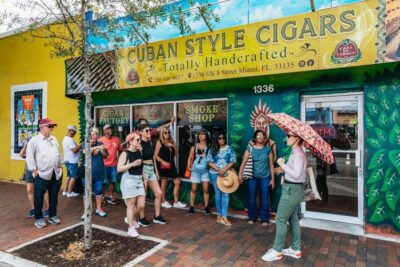
A cigar factory visit adds another hands-on element. Local Cuban women demonstrate how cigars are produced and rolled. The stop is more interesting if you pay attention to the skill involved, rather than treating it as a chance to buy a souvenir. If you do not smoke, it still gives you a look at a craft closely tied to Cuban identity in Miami.
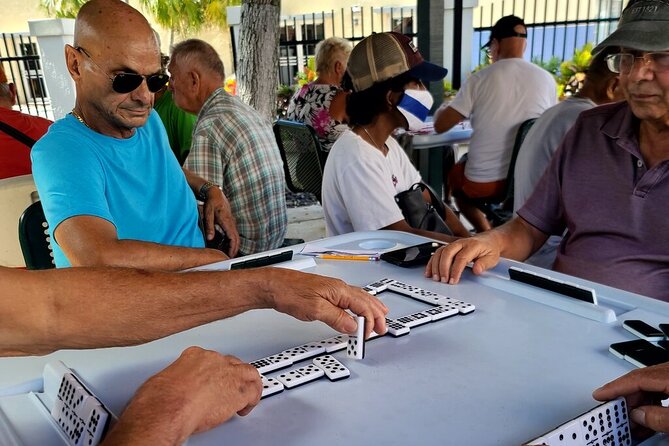
Domino Park, officially Maximo Gomez Domino Park, is another valuable stop. You see local players spending their afternoons around the tables, and the guide explains the social role of the game. The park is a place for regulars, so approach it respectfully and let the group observe rather than interrupting ongoing matches.
This part of the outing may be especially meaningful for anyone who wants to see Little Havana as a living neighborhood. You are not only looking at old signs and historic buildings. You are seeing how people use the street now.
Landmarks that explain Miami’s Cuban-American story
The route includes Cuban Memorial Park and the Bay of Pigs Museum, along with the Tower Theater and other Calle Ocho landmarks. These stops give the guide room to explain exile, political conflict, military history, and the long relationship between Cuba and the United States.
The Bay of Pigs Museum is particularly important because it connects local family stories to a major event in twentieth-century history. The stop may be brief, but it adds weight to what you are seeing in the restaurants and shops. Little Havana is not simply a themed district. It grew from real migration, memory, politics, and community building.
Cuban Memorial Park provides another place to consider sacrifice and remembrance. Listen closely here, since the value of the stop comes from the guide’s explanation rather than from a long visit inside a formal museum.
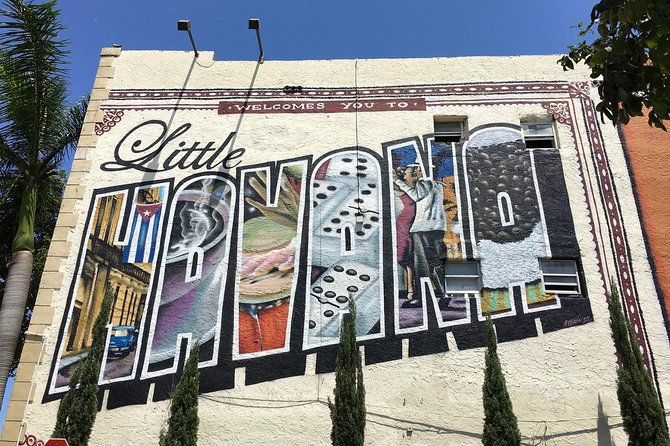
The Tower Theater helps anchor the story in the architecture of Calle Ocho. You will also encounter Cuban art, local galleries, and newer murals. One appealing detail is the possibility of leaving the main route for a larger section of street art, rather than staying only on the busiest strip.
After the tour, the guide leaves the group at Churromania, at 1417 SW 8th Street. You are only about two blocks from the start, and you can walk back easily. Rooster Alley is nearby, offering another chance to see murals and take photographs.
More food tours in Miami:
- South Beach Cultural Food and Walking Tour
★ 5.0 · 1,284 reviews - A Taste of South Beach Food Tour
★ 5.0 · 1,120 reviews - Little Havana Food Tour: Discover Iconic Cuban Cuisine in Miami
★ 5.0 · 308 reviews - Miami: Little Havana Food and Culture Walking Tour
★ 5.0 · 297 reviews
How much walking, waiting, and standing should you expect?
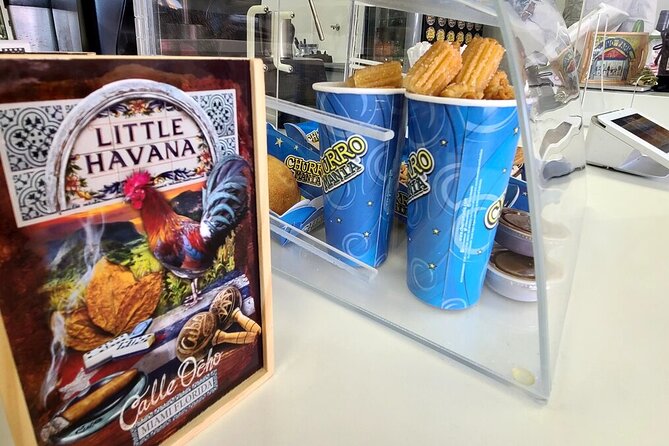
The route is less than a mile, so this is not a strenuous city hike. The challenge is the stop-and-go pattern: walk a short distance, stand while food is prepared or served, listen to the guide, then move on to the next location.
That makes the tour suitable for many people who cannot walk far. Wheelchairs and baby strollers can be accommodated, but the route still includes restaurants, sidewalks, and busy public spaces, so contact the operator if you need specific arrangements.
Comfortable shoes matter more than stylish clothes. None of the stops requires a dress code, and you should dress for Miami’s weather. The tour operates in all weather conditions and usually continues in rain, so bring an umbrella or poncho if the forecast calls for showers.
You may find restrooms at nearly every stop. Still, ask the guide early rather than waiting until the next restaurant.
Parking is available on the street near the starting point, usually around $2 per hour through a mobile payment app. Read the signs carefully, and allow time to top up the meter. One person had to leave the walk briefly when parking expired, which is an avoidable interruption if you pay for enough time at the start.
Public transportation is also practical, with several bus stops near Tumbao. A taxi or ride-share can be simpler if you are staying outside Little Havana.
Is $69 a fair price?
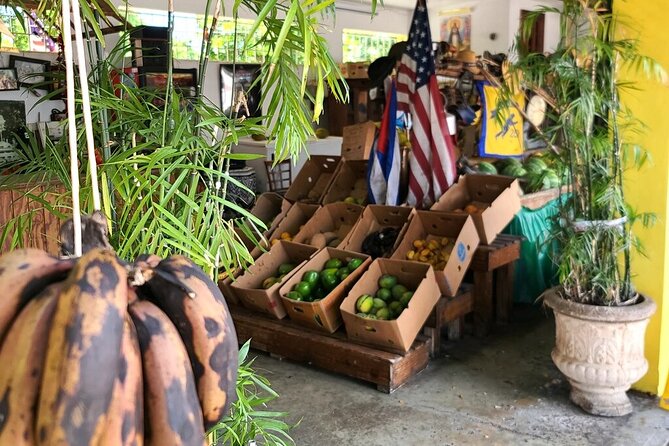
At $69 per person, the price is reasonable if you plan to eat a full meal and want a guide to put the neighborhood in context. The included food covers a wide range of items, and the mojito, coffee, and tropical drink are part of the cost. You are also paying for the guide’s time, the restaurant coordination, and the chance to visit several places without guessing where to go.
It would be less attractive if you mainly want a cheap tasting crawl or already know Little Havana’s food scene. You could spend less by ordering one sandwich and a coffee on your own, though you would miss the historical commentary, cigar demonstration, art stops, and introductions along the way.
The small-group format improves the value. A guide can answer questions and manage several food stops more easily when the group is limited. Since the practical maximum is 14, ask about the expected size if a very intimate experience is important to you.
Gratuity is not included. A 15 to 20 percent tip per person is suggested, so include that in your budget. The strongest reason to tip is not simply the number of tastings. It is the guide’s ability to keep the group together, explain the neighborhood clearly, and make useful local connections.
Who will enjoy this tour most?
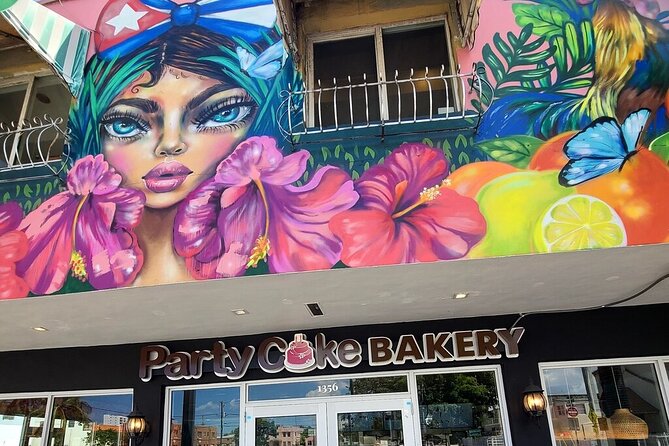
I would choose this outing early in a Miami stay. It gives you an overview of Calle Ocho, introduces restaurants you might return to, and helps you decide which art, music, and food stops deserve more time later.
It suits you if you:
- Want history and food in the same activity
- Prefer a short walking route to a long city march
- Like trying several dishes instead of ordering one meal
- Enjoy meeting local shopkeepers, artists, and community members
- Are visiting Little Havana for the first time
- Want a guide to explain Cuban-American culture in plain language
It is less suitable if you need gluten-free food, have celiac disease, or follow a vegan diet. Vegetarian and dairy-free requests may be possible if you provide notice, and vegetarian arrangements must be stated before the tour. The operator cannot provide a gluten-free menu.
Families can take part, but children must be accompanied by an adult. The mojito is for adults aged 21 and older. If your group includes children, the food and history remain accessible, but the drink tasting will not be relevant to everyone.
A few practical ways to get more from the walk
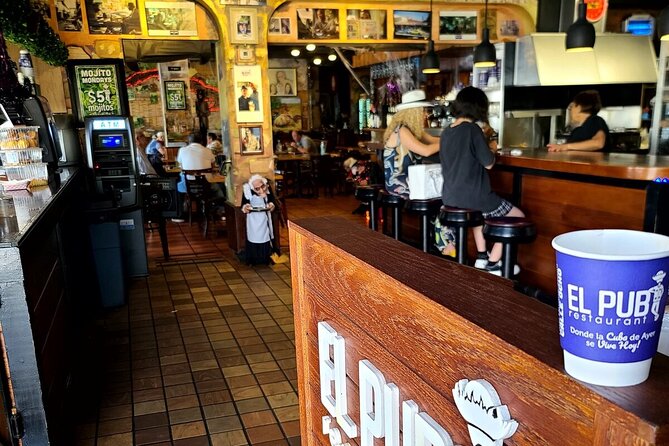
Arrive with an empty stomach, but not dehydrated. The combination of coffee, sweets, salty food, and alcohol is easier to handle if you have had water earlier in the day.
Ask your guide questions as you go. Danny in particular is described as highly connected to the neighborhood, and the value of that connection increases when you ask about restaurants, local customs, and places to return after the tour.
Pay attention to the transitions. The most useful parts may come between the official stops, when the guide explains a mural, points out a side street, or greets someone who helps clarify local life.
Bring a camera. Photos are welcome, and Calle Ocho offers food displays, murals, cigar-making, colorful storefronts, and street scenes. At Domino Park and the cigar factory, be considerate before photographing people at close range.
Do not plan a tight appointment immediately afterward. The scheduled time is about two hours and 30 minutes, but the walk may run long if the guide takes time with a story, a food stop, or a local conversation. That relaxed pace is part of the appeal, but it requires a little flexibility.
Should you book the Little Havana food walk?
Book it if you want your first look at Little Havana to include context, conversation, and enough food to count as lunch. The strongest parts are the guide-led neighborhood connections, the mix of Cuban classics and drinks, the coffee and cigar demonstrations, and the stops that explain why Calle Ocho matters.
Skip it if you need strict dietary control, dislike group pacing, or prefer to explore restaurants entirely on your own. Also keep the weather, parking, and possible schedule extension in mind.
For most first-time visitors, I would take this tour near the beginning of a Miami trip, arrive hungry, wear comfortable shoes, and expect a friendly introduction rather than a formal museum lesson. If Danny, Daniel, or Farouk is leading your departure, you can expect the tone to be personal and conversational, with the neighborhood itself doing much of the teaching.
FAQ
How much food is included on the Little Havana walking tour?
The tastings are intended to equal a full-size lunch or dinner, divided among about five local food stops. You should arrive hungry and may not need another meal for several hours.
What foods and drinks might I try?
The listed tastings include salpicon de mariscos, a mojito, a Cuban sandwich, Cuban coffee colada, guava and cheese pastry, sugarcane or tropical juice, a beef empanada, and churros.
Where does the tour start and finish?
The tour starts at Tumbao, 1652 SW 8th Street, Miami. It ends at Churromania, 1417 SW 8th Street, about two blocks from the starting point.
How much walking is involved?
The route is less than one mile, with frequent stops for food, commentary, and sightseeing. You should still expect standing and walking on city sidewalks.
Is the tour available in languages besides English?
The tour is conducted in English. Some guides speak intermediate Spanish, but the same departure is not conducted in both languages at once.
Can I take public transportation to the meeting point?
Yes. Several bus stops are near the starting location. You can also use a taxi or ride-share service.
Is parking available?
On-street parking is available near the meeting point. It is typically about $2 per hour and may require a mobile payment app, but rates and payment details can change.
Can dietary restrictions be accommodated?
Vegetarian and some dairy-free requests may be accommodated if you provide notice. The operator cannot accommodate celiac disease, gluten allergies, or a vegan diet.
What happens if the tour is canceled because of weather?
If unsafe weather causes a cancellation, you will be offered another date or a full refund. The tour generally operates in rain, so bring suitable clothing and an umbrella or poncho when needed.
More walking tours in Miami
- The Official Art Deco Walking Tour by The Miami Design Preservation League
★ 5.0 · 1,580 reviews - Miami South Beach Art Deco Walking Tour
★ 5.0 · 1,039 reviews - Miami Beach Food and Art Deco Walking Tour
★ 4.5 · 245 reviews - Little Havana Small Group Walking Tour
★ 5.0 · 231 reviews
New on the Miami list
- Miami: Wynwood Walls Street Art and Food Walking Tour★ 4.9 · 43 reviews
- Wynwood walking tour in French (2h)★ 4.9 · 9 reviews
- Wynwood Walls Street Art & Neighborhood Walking Tour★ 4.9 · 9 reviews
- VIP Walking Tour of Little Havana★ 4.5 · 36 reviews
- Miami: HIDDEN WORLD OF MIAMI DESIGN DISTRICT★ 5.0 · 3 reviews
- Walking Tour with Cocktails(optional) Miami★ 4.9 · 18 reviews
- Beach Yoga Experience in Miami Beach★ 5.0 · 53 reviews
- Beach Yoga & Tea Experience on South Beach★ 5.0 · 19 reviews
Little Havana Tours, compared.
Little Havana Food Walking Tour with Tastings
Read our review →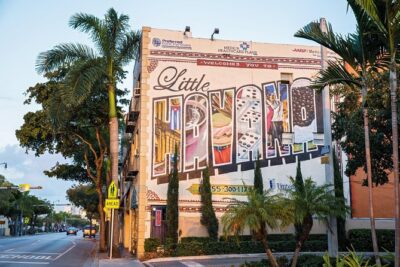
Walking Food Tour of Little Havana with Cuban Dishes Tasting
Read our review →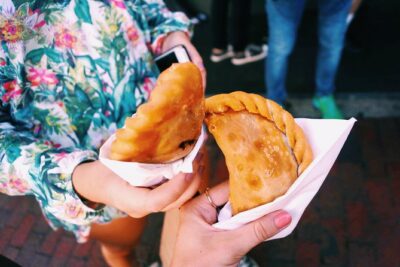
Little Havana Food Tour: Discover Iconic Cuban Cuisine in Miami
Read our review →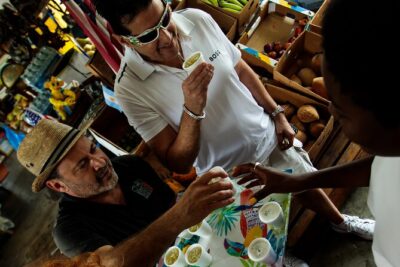
Little Havana Like a Local: Food, Culture & Hidden Gems
Read our review →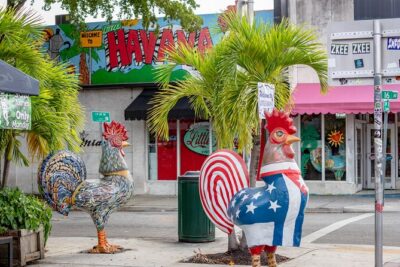

Little Havana Cuban Food and Culture Walking Tour
Read our review →Browse the lists this tour appears in