
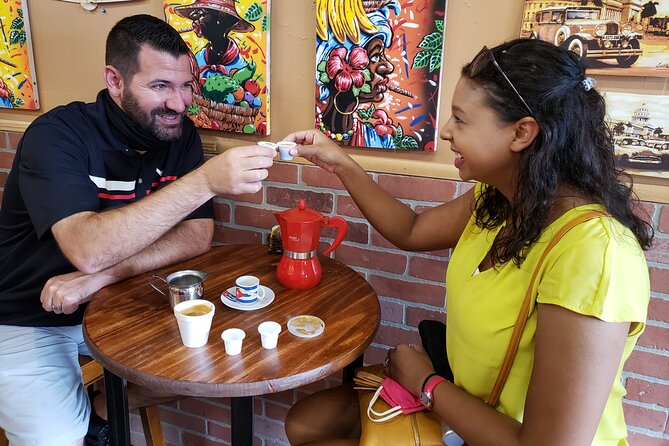
Reviewed · LITTLE HAVANA TOURS
Express Little Havana & Cuban Culture Walking Tour in Miami
Little Havana comes into focus through its small businesses and personal stories, not just its painted signs. In about two hours, you walk Memorial Boulevard and Southwest Eighth Street, stop at family-run shops, sip strong Cuban coffee, and hear about Cuban exiles, the Bay of Pigs, and the politics that still shape Miami.
I like the small group limit of 15, which gives you room to ask questions, and I like the chance to meet people connected to the neighborhood rather than simply photographing it from a bus. The warm, energetic style of guides such as Cesar, Maria, Luis, Hugo, and Danny has been a major strength.
The main caution is the amount of walking and coverage. One account found the route limited to two or three blocks, while the advertised program describes a broader look at Little Havana. Food expectations also need care: the formal details promise coffee only, although some outings have included pastries, juice, croquettes, and other samples.
Key points to know before you book
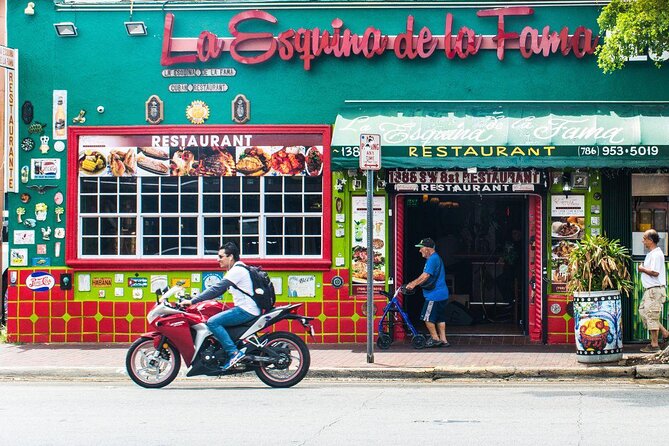
- Cuban coffee is included: Expect a freshly brewed sample, usually strong and small, with no full meal included in the formal tour details.
- The stories are the main attraction: Your guide discusses Cuban migration, local customs, politics, and the Bay of Pigs.
- Family businesses shape the route: Stops may include a fruit market, bakery, guayabera shop, cigar store, and other mom-and-pop businesses.
- Guide quality matters: Cesar, Maria, Luis, Hugo, Danny, Dr. V, Kayan, and Lewis have all been praised for warmth, humor, and clear storytelling.
- The route may be compact: You can see important sights without a long march, but you may not explore residential side streets.
- Plan for Miami weather: The walk runs rain or shine, unless poor weather causes cancellation, so wear comfortable shoes and bring suitable protection.
Starting on Southwest Eighth Street
The tour begins at 1305 SW 8th Street, in the heart of Little Havana. This is a useful starting point because you are not first spending half the tour getting to the neighborhood. You begin among the businesses and street life that give the area its identity.
The route takes you along Memorial Boulevard and nearby sections of Southwest Eighth Street. Your guide sets the scene by explaining how Cuban culture took root in Miami and how the neighborhood has changed over time. This opening context matters. Without it, the fruit stands, cigar shops, and painted storefronts can look like a collection of tourist stops. With it, they become pieces of a migration story.
You will hear about Cuban exiles and the second generation who now operate local businesses. The subject is not treated as a simple tale of food and music. Politics, displacement, family memory, and the continuing connection between Miami and Cuba all enter the conversation.
The group size can make a real difference here. With a maximum of 15 people, you should be able to hear the guide without being buried in a crowd. It also makes it easier to ask about subjects that interest you, from Cuban-American politics to the meaning of a particular custom.
More Little Havana walks and food stops:
- Little Havana Food and Walking Tour in Miami
★ 5.0 · 8,882 reviews - Miami: Little Havana Food Walking Tour with Tastings
★ 4.9 · 1,181 reviews - Little Havana: Authentic Food and Culture Walking Tour
★ 5.0 · 679 reviews
Memorial Boulevard and the first taste of Cuban culture

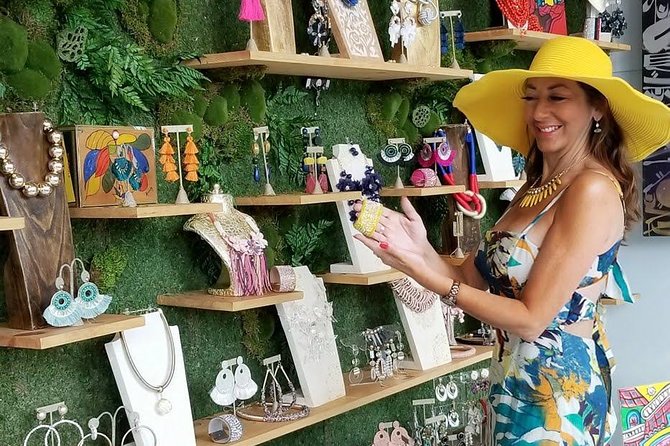
Memorial Boulevard provides the historical starting point, then the walk turns toward the neighborhood’s everyday businesses. You may visit a fruit marketplace, bakery, apparel store, and cigar shop. These are not grand attractions. That is part of their value.
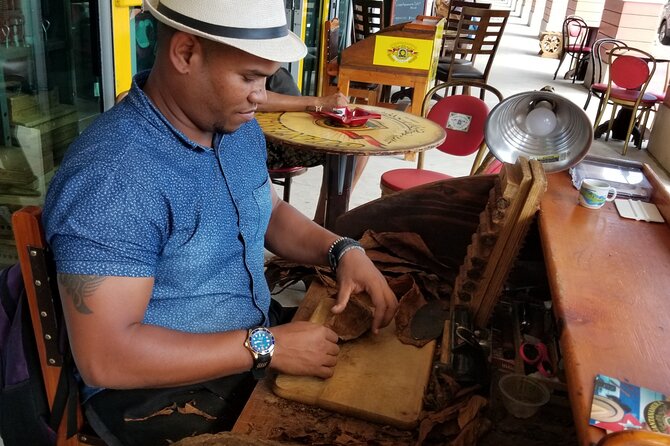
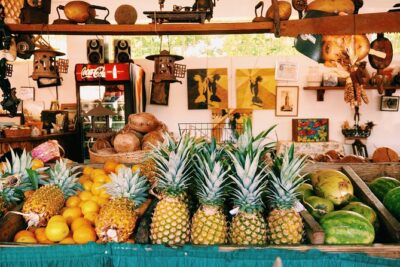
A fruit market can introduce you to ingredients tied to Cuban cooking and family traditions. A bakery shows how food businesses serve as social anchors. A guayabera shop offers a look at a shirt closely associated with Cuban and Caribbean dress. At a cigar shop, you may learn about the local cigar trade and the skill behind hand-rolled cigars.
The formal tour information says no food is offered, but coffee tasting is included. Several outings described pastries, juices, croquettes, fruit, and other small tastes. I would treat those extras as possible additions rather than something guaranteed. If food is central to your decision, ask the operator what is planned for your date.
The Cuban coffee is a small but memorable part of the stop. It is not a leisurely café break or a substitute for lunch. Think of it as a brief introduction to a drink that carries a large place in Cuban social life. The coffee is also practical: it gives you a pause during the walk and a chance to ask questions.
Shops, roosters, cigars, and guayaberas
The most appealing part of this tour is the contact with ordinary businesses. Your guide introduces you to store owners and explains what their products mean within Cuban culture. That can turn a quick shop visit into a lesson in family enterprise and adaptation.
The apparel stop focuses on guayaberas. You learn about the shirt’s place in Cuban culture and why it remains recognizable in Miami. This is a good example of the tour’s approach: rather than only pointing out a building, the guide uses an object you can see and touch to explain a custom.
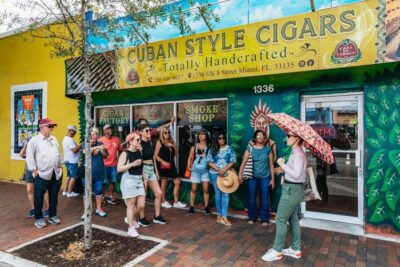
The cigar stop adds another layer. Some accounts describe cigar rolling and a lively shop atmosphere, with roosters crowing nearby. Those details give the route a sense of place that a standard city sightseeing walk often misses. You are not only hearing about Cuban traditions. You are seeing how they are sold, practiced, and passed on in the neighborhood.
Still, shop visits can feel slow if you prefer continuous walking. One guide was praised for spending useful time with vendors, while another outing was criticized for lingering too long at a fruit store and bakery. If you want a broad geographic tour, this may feel narrow. If you like local businesses and conversation, the slower pace may suit you.
Stories of exile and the Bay of Pigs
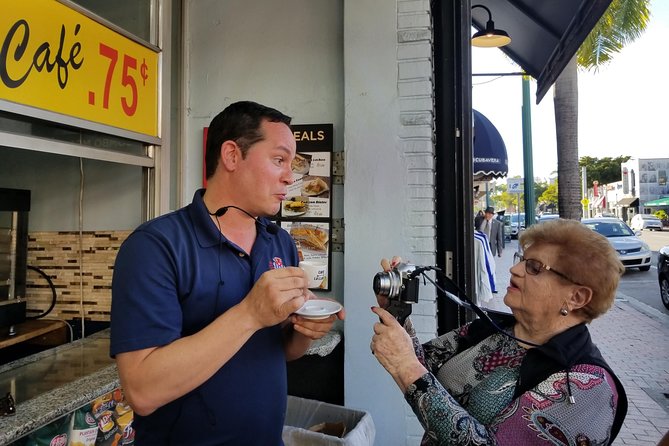
The tour’s serious center is its discussion of Cuban exile and the Bay of Pigs. The program includes the possibility of meeting survivors of the battle, who can share personal accounts. That is a powerful opportunity, but it should be understood as part of the planned experience rather than an absolute guarantee for every departure.
The subject deserves time and care. A guide may explain the political conditions that pushed people from Cuba, how families established themselves in Miami, and how memories of the island continue across generations. The best guides do not reduce these stories to a simple political slogan. They connect events to people, shops, families, and daily life.
Maria was praised for bringing personal knowledge of Cuba into her explanations. Luis was singled out for telling stories of exile that were both painful and hopeful. Other guides, including Cesar, Hugo, Danny, and Dr. V, were praised for answering questions and keeping the tone engaging without turning the tour into a lecture.
I would come prepared to listen. This is not just a photo walk through a colorful district. You may hear about political conflict, forced departure, and divided families. Those subjects give the neighborhood weight, and they also explain why local customs and businesses matter so much.
More walking tours in Miami:
- The Official Art Deco Walking Tour by The Miami Design Preservation League
★ 5.0 · 1,580 reviews - South Beach Cultural Food and Walking Tour
★ 5.0 · 1,284 reviews - Miami South Beach Art Deco Walking Tour
★ 5.0 · 1,039 reviews - Walking Food Tour of Little Havana with Cuban Dishes Tasting
★ 5.0 · 495 reviews
Landmarks that help you read Little Havana
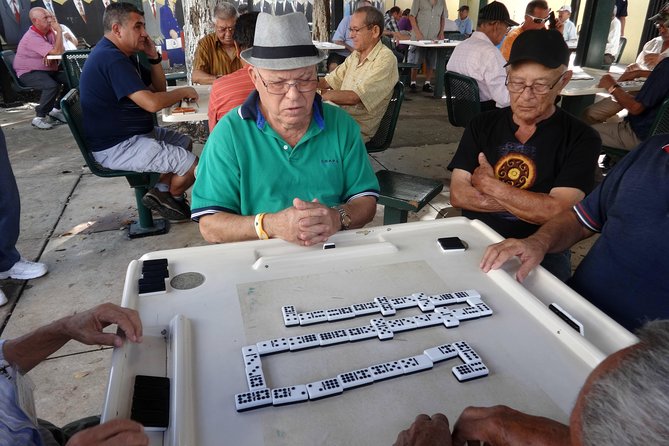
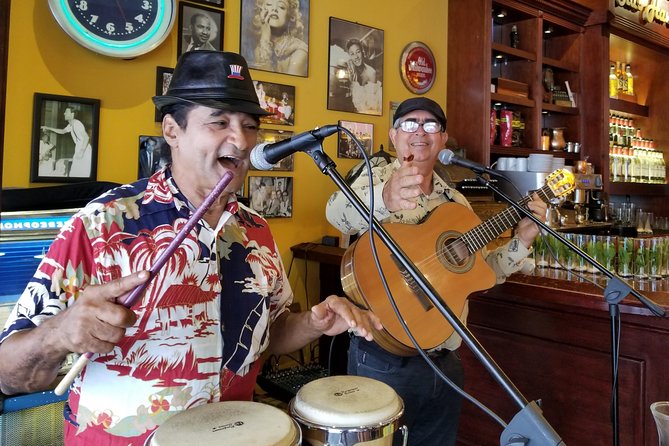
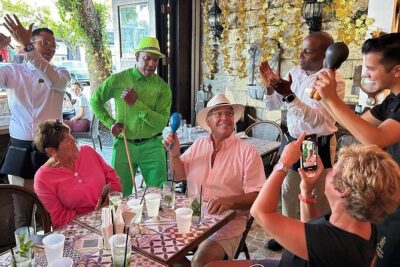
The walk includes cultural and social landmarks in the Little Havana area. Domino Park is one of the best-known points, and several outings also highlighted the Ball and Chain as a memorable stop. These places help you understand how music, games, conversation, and public gathering fit into neighborhood life.
The tour does not promise entry to every attraction or a long stay at each site. The emphasis is on seeing key places and hearing why they matter. You may find that a guide spends more time explaining a landmark than photographing it, which is useful if you want context but less satisfying if you are trying to cover every corner of Little Havana.
The route can be especially useful early in a Miami visit. After two hours, you will have a clearer idea of which streets and businesses deserve a return visit. You can then come back independently for lunch, shopping, or a longer look at the places that caught your attention.
The end point is near 643 SW 16th Avenue, with the return area around 16th or 17th Avenue and Southwest Eighth Street. It is roughly four blocks from the starting point. That is convenient, but it also means you finish somewhere different from where you began. Keep the end location in mind if you have a timed reservation afterward.
How much walking should you expect?
The experience lasts about two hours and 15 minutes, although the listed itinerary describes roughly two hours at the main stop. The route is manageable for most people, and the program states that most participants can take part. You should still wear comfortable shoes because you will be walking and standing in an outdoor neighborhood.
The walking is not described as strenuous. One account specifically appreciated that aggressive walking was not required. That makes it a reasonable choice for people who want an introduction without a long city hike.
At the same time, the tour’s name may create a larger expectation than the actual route delivers. One account said the group covered only two or three blocks, with little time on side streets or residential areas. I would book this as a focused introduction to the main commercial strip, not as a complete survey of every part of Little Havana.
Miami weather is another practical issue. The tour runs rain or shine, except when poor weather leads to cancellation. Wear breathable clothing, bring water, and prepare for sun or rain. The formal information does not promise hotel pickup, so you need to arrange your own way to the starting point and from the finish.
Group size, guides, and the value of the time
A small group and a strong guide are the two factors that most affect the value here. The maximum of 15 people is modest enough for personal questions and direct conversation. It also helps at narrow shop entrances and busy sidewalks.
Guide style varies. Cesar has been praised for enthusiasm and a friendly manner with both the group and store owners. Hugo was noted for energy and a clear explanation of Cuban history. Maria brought personal and historical connections to Cuba, while Luis was valued for giving plenty of information without overloading the group.
Danny was praised for humor, warmth, and remarkable energy. Dr. V was described as welcoming to solo participants, helping the group feel connected. Kayan received praise for explaining guayaberas and for food samples, while Lewis was remembered for Domino Park, the Ball and Chain, drinks, and snacks.
You cannot usually choose your guide, so it is best to judge the tour by its structure rather than expecting one particular person. The consistent aim is clear: combine neighborhood landmarks, local businesses, history, and conversation.
The price is not provided here, so I cannot judge it against a specific dollar amount. The value is strongest if you would otherwise walk past the shops without understanding them. It is weaker if you mainly want a self-guided stroll, a full meal, or a large geographic route. The included guide and coffee help, but you should not count on a full food tour.
Who should book this Little Havana walk?
I would recommend it to first-time visitors who want a quick introduction to Cuban culture in Miami. It also suits you if you enjoy asking questions, meeting local business owners, and learning why ordinary places matter.
It is a good fit for families and couples because the route mixes serious history with coffee, shops, landmarks, and conversation. Solo participants should also feel comfortable in the small group format, especially with an outgoing guide.
You may want something else if you expect a full day of eating. The formal details include coffee, not lunch, and food samples vary by outing. You may also be disappointed if you want to explore residential streets, cover a wide area, or spend most of the time walking rather than stopping.
Free cancellation is available if you cancel at least 24 hours before the start time. Changes or cancellations inside that window are not refunded, and poor weather or an insufficient number of bookings may lead to a new date or a full refund.
Should you book it?
Book this tour if you want human stories and local shop visits more than a long checklist of sights. Its strongest moments come from a good guide explaining exile, politics, family businesses, and Cuban customs while you stand in the places where those stories continue.
Go with realistic expectations. You will get a focused walk, Cuban coffee, and a useful introduction to Little Havana, not a complete neighborhood survey or guaranteed food crawl. If that sounds right, the small group and strong record of guide-led storytelling make this a sensible way to begin exploring the area.
FAQ
How long does the Little Havana walking tour last?
The experience lasts approximately 2 hours and 15 minutes. The main Little Havana portion is described as about two hours.
Where does the tour start?
It starts at 1305 SW 8th Street, Miami, Florida 33135.
Where does the tour end?
The listed end point is 643 SW 16th Avenue. The return area is around 16th Avenue and Southwest Eighth Street or 17th Avenue and Southwest Eighth Street, about four blocks from the start.
Is Cuban coffee included?
Yes. A coffee tasting is included, with freshly brewed Cuban coffee.
Is a full meal included?
No. The formal tour details say food and drinks are not included, apart from the coffee tasting. Some outings have included small food or drink samples, but these should not be assumed.
What places might I visit?
The route may include a fruit marketplace, bakery, guayabera apparel store, cigar shop, cultural landmarks, and social spots such as Domino Park and the Ball and Chain.
Will the tour discuss Cuban politics and history?
Yes. The guide discusses Cuban culture, history, politics, Cuban exiles, local people, and the second generation of families living and working in Little Havana.
Might I meet a Bay of Pigs survivor?
The program includes the possibility of meeting survivors of the Bay of Pigs battle and hearing their personal accounts. The information does not guarantee that this will happen on every departure.
Is the tour suitable for most people?
The tour states that most participants can take part and that it is near public transportation. You should wear comfortable shoes, since the experience involves walking and standing.
What happens if I need to cancel?
You can receive a full refund if you cancel at least 24 hours before the start time. Cancellations or changes within 24 hours are not refunded. If poor weather or too few bookings causes cancellation, you will be offered another date or a full refund.
New on the Miami list
- Miami: Wynwood Walls Street Art and Food Walking Tour★ 4.9 · 43 reviews
- Wynwood Walls Street Art & Neighborhood Walking Tour★ 4.9 · 9 reviews
- Wynwood walking tour in French (2h)★ 4.9 · 9 reviews
- Miami: HIDDEN WORLD OF MIAMI DESIGN DISTRICT★ 5.0 · 3 reviews
- Walking Tour with Cocktails(optional) Miami★ 4.9 · 18 reviews
- VIP Walking Tour of Little Havana★ 4.5 · 36 reviews
- Beach Yoga Experience in Miami Beach★ 5.0 · 53 reviews
- Beach Yoga & Tea Experience on South Beach★ 5.0 · 19 reviews
Little Havana Tours, compared.
Little Havana Food Walking Tour with Tastings
Read our review →
Walking Food Tour of Little Havana with Cuban Dishes Tasting
Read our review →
Little Havana Food Tour: Discover Iconic Cuban Cuisine in Miami
Read our review →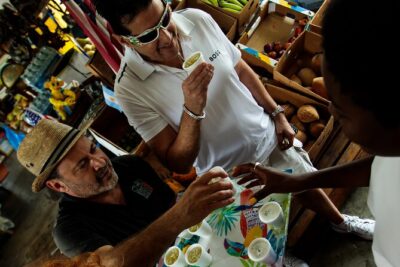
Little Havana Like a Local: Food, Culture & Hidden Gems
Read our review →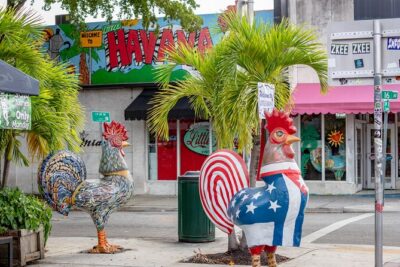
Browse the lists this tour appears in