
Reviewed · MIAMI BEACH ART DECO TOURS
Award-winning Art Deco & Neon Lights Walking Tour
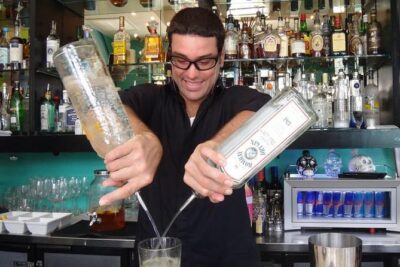
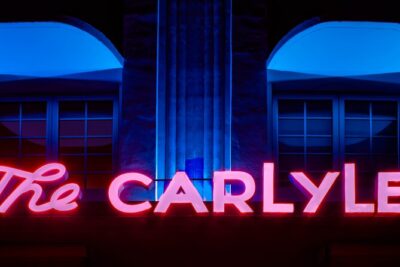
Miami Beach’s Art Deco district is more than a row of pastel façades. With Damian, you learn how design shaped mood, how neon sold a fantasy of glamour, and how a largely man-made city grew from swampy Biscayne Bay. The tour also slips into historic lobbies and semi-public spaces that are easy to miss on your own.
I especially like the way the tour connects architecture to movies, crime stories, and local personalities. I also like the personal touch: Damian provides a hand-crafted map and points out corridors, rooftops, speakeasy sites, and other corners that most visitors would walk past. The main drawback is its length and subject matter: 150 minutes on foot may feel long if you want only a quick look at Ocean Drive.
Key points to know before booking
- Miami Beach’s man-made beginnings: Learn how shallow swamp and bay waters became the city you see today.
- A guide with a strong personal voice: Damian leads the tour as a local historian and preservationist.
- More than façades: Step into selected hotel lobbies, corridors, terraces, and other semi-public spaces.
- Art Deco with meaning: Look at how color, curves, lighting, and geometry were used to shape feelings.
- Movies and crime stories: Connect Miami Beach buildings with Miami Vice, Scarface, The Birdcage, and famous cases.
- A useful 150-minute format: Long enough for context and detail, but still compact enough to fit into a day of sightseeing.
Why this Miami Beach walk feels different
Many Art Deco walks in Miami Beach follow Ocean Drive, name a few buildings, and move on. This one aims to explain why the buildings look the way they do and how the city’s public image was built.
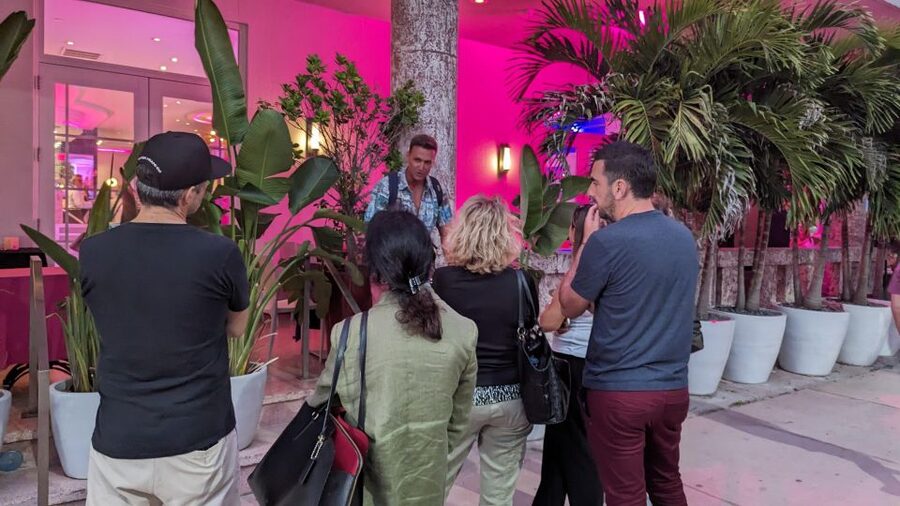
That difference matters. You are not simply learning that a hotel has curved corners or porthole windows. You are encouraged to think about what those shapes were meant to suggest. A façade could make a modest building feel sleek, modern, and glamorous. Neon could turn a hotel into a glowing signpost after dark. Color and symmetry could give visitors the sense that Miami Beach was a place of escape.
Damian also places the architecture inside the wider story of the city. You learn that Miami Beach is mostly man-made and that Biscayne Bay was once a shallow swamp. Those facts change the way you look at the streets. The city is not an old European town that grew slowly over centuries. It is a planned resort shaped by money, promotion, engineering, entertainment, and changing taste.
This is why the walk suits you if you like connections. A building may lead to a story about tourism, which leads to a story about film, which leads to a story about crime or celebrity. The tour is built around those links rather than a simple list of dates.
More Art Deco walks on Miami Beach:
- The Official Art Deco Walking Tour by The Miami Design Preservation League
★ 5.0 · 1,580 reviews - Miami South Beach Art Deco Walking Tour
★ 5.0 · 1,039 reviews - Miami Beach Food and Art Deco Walking Tour
★ 4.5 · 245 reviews
Meeting Damian at The Betsy
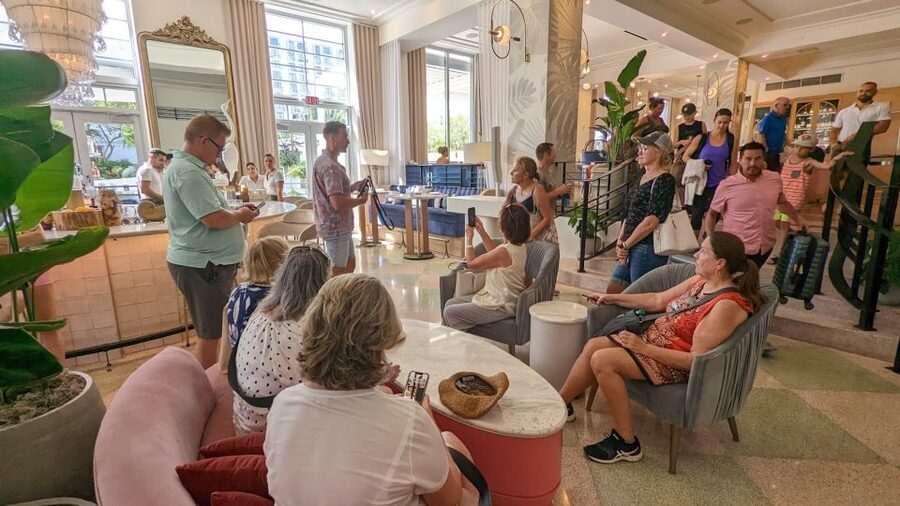
The tour begins in the lobby of The Betsy Hotel on Ocean Drive, near the concierge desk. Use the entrance from Ocean Drive, not Collins Avenue. That small detail matters because arriving at the wrong side of the block can waste time, especially in the busy South Beach area.
Starting inside a hotel is a smart choice. You are not waiting on a sidewalk while the guide gathers the group. You begin in a setting that fits the subject: a historic hotel space with its own character and a direct connection to Miami Beach’s hospitality culture.
Damian is presented as both a local historian and preservationist. That combination gives the walk a useful balance. A historian can explain the city’s development, while a preservationist tends to notice the details that determine whether a building is respected, altered, or lost.
The experience is in English, and the guide’s delivery appears central to its appeal. Damian does not treat the past as a stack of dates. He uses stories, design details, movie references, scandals, and strange local facts to keep the pace moving.
Reading Art Deco beyond the pastel paint
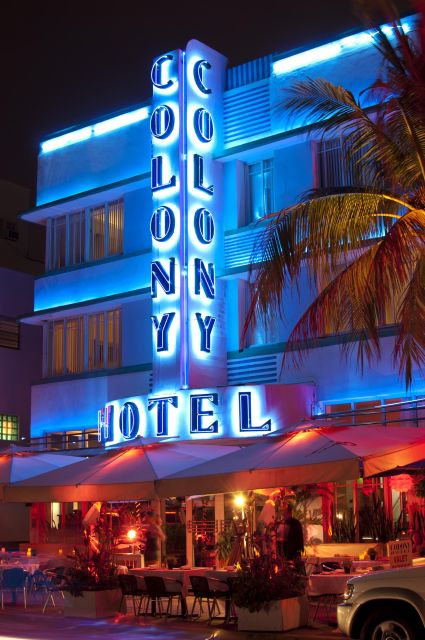
Art Deco is often reduced to pastel colors and rounded corners. You get a fuller picture here.
The tour explains the significance of Art Deco as a design language. You look at the way buildings use curves, horizontal lines, geometric decoration, glass blocks, and neon. These features were not placed at random. They helped create a modern image and gave Miami Beach hotels a sense of speed, comfort, and glamour.
One of the most useful ideas is that architecture can influence mood. A hotel entrance, corridor, or lobby can make you feel relaxed, excited, important, or ready for entertainment. Damian ties those effects to the city’s resort identity.
That approach helps you notice details later, even after the tour ends. You may start looking for repeated shapes, carefully placed signs, unusual windows, and small decorative elements that once seemed like background scenery.
The walk also gives context for the survival of the district. Art Deco buildings can look playful, but they represent a serious period in Miami Beach’s growth. Their value is not only visual. They show how the city marketed itself and how changing ideas about design affected the places where people stayed, ate, and played.
Hotel lobbies, corridors, and spaces most people miss
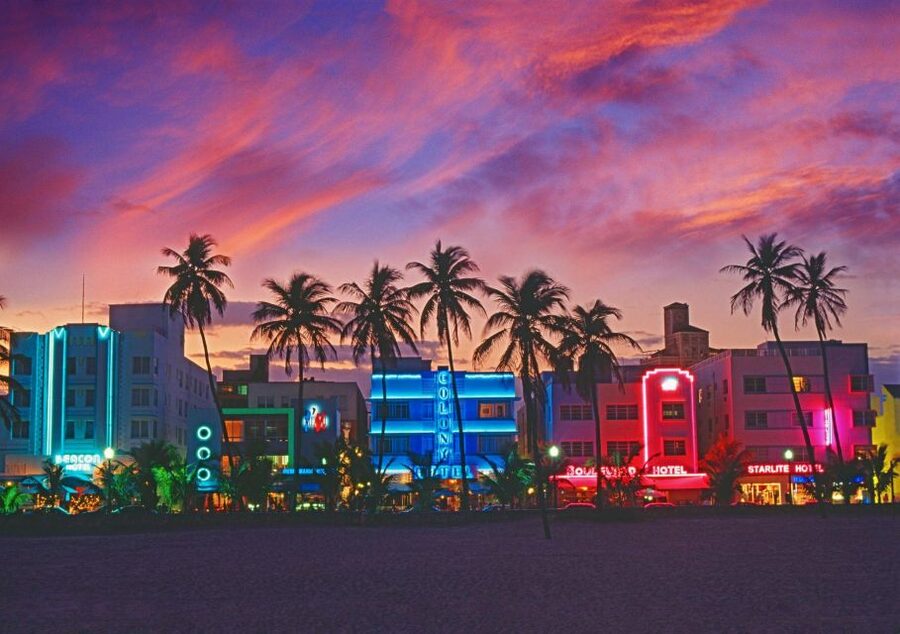
The tour includes access to historic hotel lobbies and other semi-public spaces. It also calls attention to peculiar corridors, obscure lobbies, secret rooftop terraces, and hidden areas that you would not normally seek out.
You should keep expectations realistic. These are not described as private homes or unrestricted backstage areas. Access depends on the spaces being open and available. Still, entering a lobby or terrace changes the experience. From the street, you see a façade. Inside, you can consider how the building worked as a place for arrivals, meetings, drinks, and escape.
The rooftop terraces offer views, while the corridors and lobbies provide a closer look at the city’s smaller details. A narrow passage may connect to a story about a hotel’s past. An overlooked entrance may reveal another layer of the neighborhood’s design.
I like this part because it rewards attention. Miami Beach is full of famous views, but the best moments may come from noticing a space that does not announce itself. You get a sense of how the city functions behind the polished Ocean Drive image.
There is also a practical limit. The tour cannot promise that every secret space will be open every time. If access depends on hotel conditions, the exact experience can change. The wider focus on architecture and storytelling remains the main reason to book.
More walking tours in Miami:
- Little Havana Food and Walking Tour in Miami
★ 5.0 · 8,882 reviews - South Beach Cultural Food and Walking Tour
★ 5.0 · 1,284 reviews - Miami: Little Havana Food Walking Tour with Tastings
★ 4.9 · 1,181 reviews - Little Havana: Authentic Food and Culture Walking Tour
★ 5.0 · 679 reviews
Miami Beach as a film set
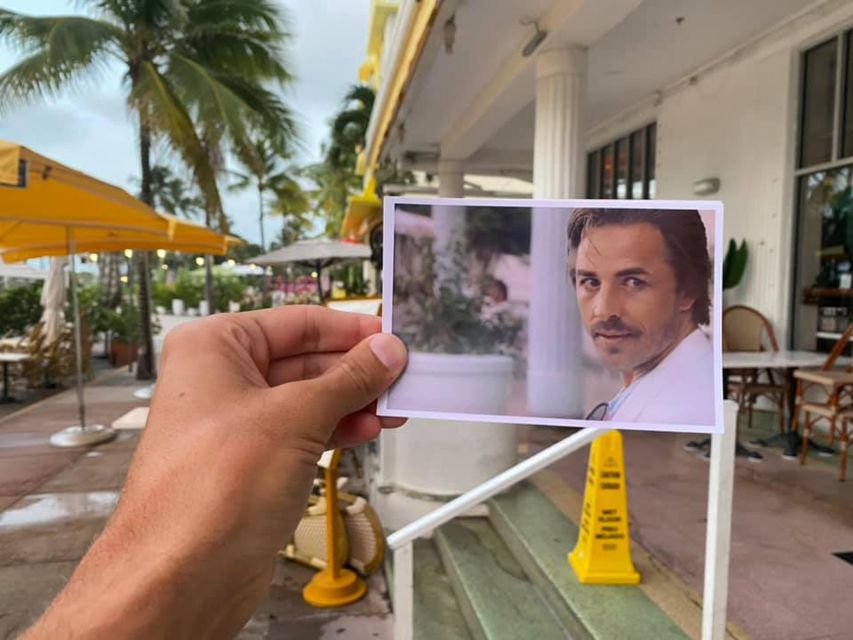
Miami Beach has long sold an image of glamour, danger, and oddball fun. Films and television helped spread that image far beyond Florida.
The tour points out locations linked with Miami Vice, Scarface, and The Birdcage. These references are useful because they show how different productions used the same city. Miami Vice leaned into neon, nightlife, and sharp color. Scarface connected Miami with crime, ambition, and excess. The Birdcage used the city’s theatrical side and its bright resort setting.
You are not just shown a place where a scene was filmed. The larger point is how the camera changed the meaning of the street. A hotel or corner can become part of a public myth once it appears on screen.
Film fans will get the most from this section, but you do not need to know every movie beforehand. The references add flavor to the architectural story. They also explain why some Miami Beach buildings feel familiar even if you have never visited.
The film material is mixed with local facts rather than treated as a separate lecture. That keeps the walk from becoming a pure movie-location hunt.
Crime, speakeasies, and the less polished side of the city
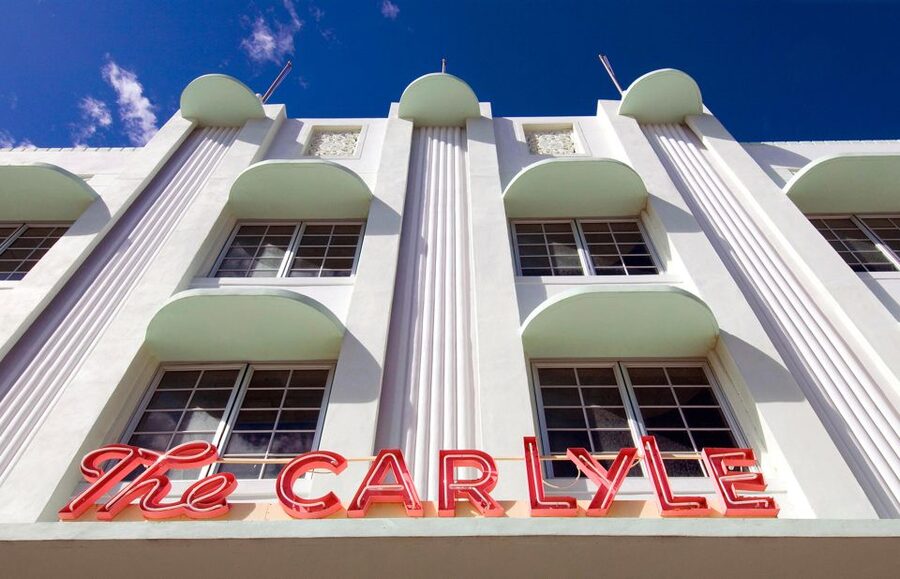
The tour includes crime-scene locations that once made headlines and stories about speakeasies. These subjects add tension to a district often presented as sunny, decorative, and carefree.
This is a useful correction to the postcard version of Miami Beach. Resort districts are built for pleasure, but they also attract ambition, conflict, money, and risk. A glamorous lobby can have a serious story behind it. A quiet address can be linked to an event that once drew national attention.
Damian uses these tales to show how architecture and events overlap. You may look at a building differently once you know what took place there. The story is no longer just about the style of a façade. It becomes part of the city’s social record.
The tone will suit you if you enjoy unusual facts and darker local stories. It may be less appealing if you want a strictly academic architecture tour with no sensational material. The available description makes clear that the walk includes scandals, crime, and headlines along with design and preservation.
Big facts that make the city easier to understand
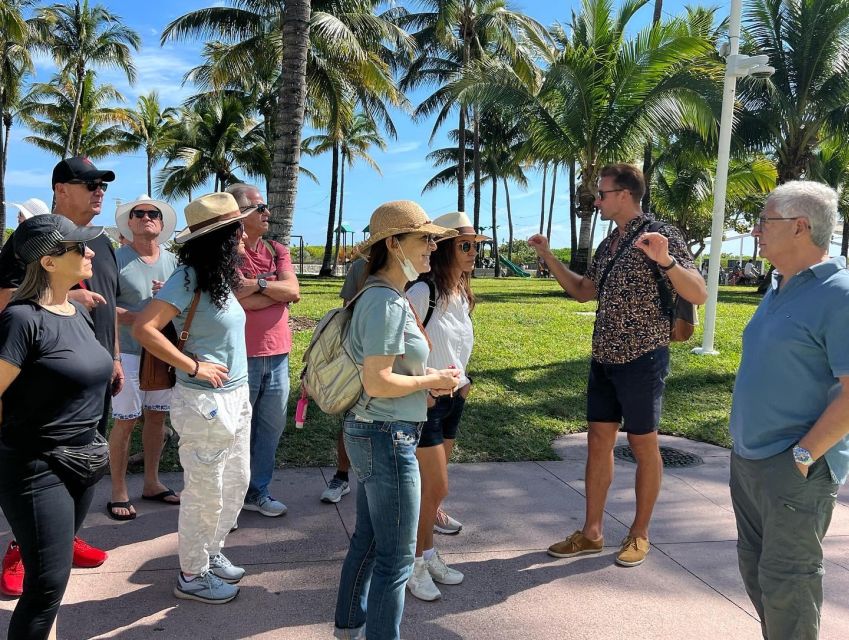
The tour uses memorable facts to create a framework for Miami Beach. You learn about the city’s man-made origins and the former swamp-like conditions of Biscayne Bay. Those details help explain why the area feels planned and constructed rather than naturally formed around an old settlement.
You also hear about Muhammad Ali becoming world boxing champion for the first time in Miami Beach. That story places the area in a wider cultural setting. Miami Beach was not only a vacation backdrop. It also hosted major public events and moments that reached well beyond Florida.
These facts work best because they are attached to places. Instead of storing random information, you can connect each story to the streets, hotels, and public spaces around you.
I appreciate that the tour does not assume you already care about architecture. The guide uses boxing, movies, scandals, and strange local details as entry points. If one subject does not grab you, another probably will.
What the 150-minute length means
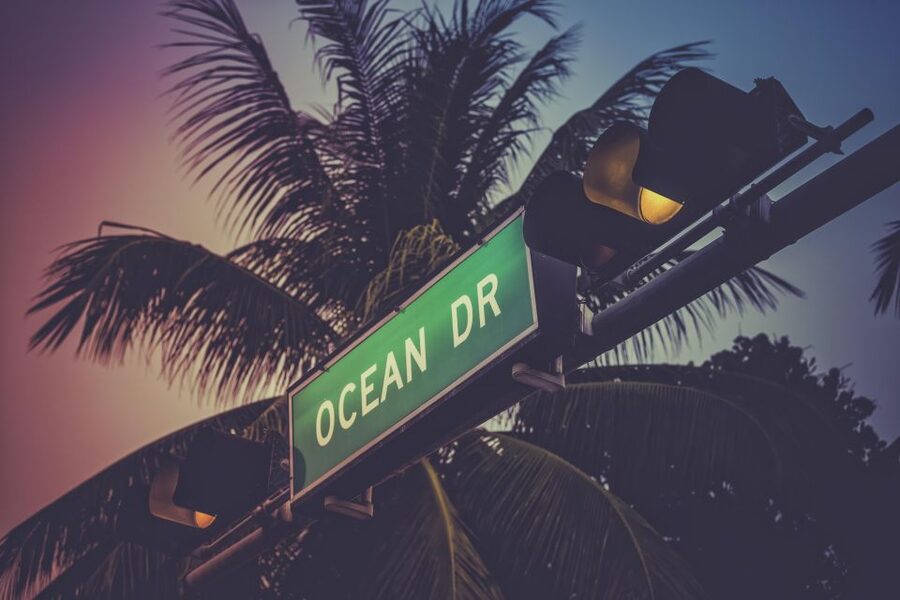
Two and a half hours is enough time to move beyond a quick introduction. You get room for the city’s origins, Art Deco design, neon, film locations, hotel interiors, and local stories.
The length also means you should plan for a real walking experience. You are moving through Miami Beach rather than sitting in one place. Wear comfortable shoes and avoid scheduling another fixed activity immediately afterward. The tour needs space for stops, explanations, and possible pauses inside hotels or other sites.
A shorter walk might be easier to fit into a crowded day, but it would probably have to cut the connections that make this experience different. The 150-minute format gives Damian time to explain how the city developed and why its buildings look the way they do.
The drawback is simple: you may find the pace or amount of information demanding if you prefer a quick overview. This is not a quick photo stop on Ocean Drive.
The $49 price and what you receive
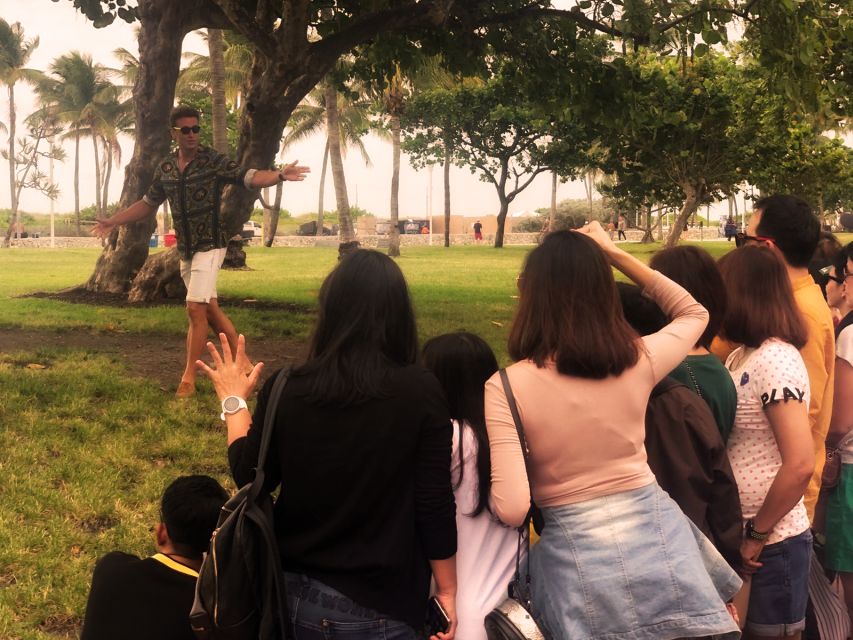
At $49 per person, this is not the cheapest way to see Miami Beach’s Art Deco district. The value depends on how much you want from a guided walk.
You are paying for 150 minutes with a local historian and preservationist, not just a route between famous façades. The experience includes access to selected historic hotel interiors and semi-public spaces, film and television connections, stories about crime and speakeasies, and a personally prepared guide map.
That makes the price easier to justify if you are interested in context. A self-guided walk costs less, but you would need to research the buildings, find the film sites, identify the less obvious spaces, and build the route yourself. You would also miss Damian’s storytelling and his explanations of how architecture affects mood.
The price is less convincing if you only want to photograph Ocean Drive or spend a short time in the district. In that case, a simple stroll may be enough. Book this tour when you want the city explained, not merely seen.
You can reserve now and pay later, and cancellation is free up to 24 hours before the start time. Those terms help if your Miami plans are still shifting.
Who will get the most from this tour
I would recommend this experience to you if you enjoy architecture but want more than technical terms. It works especially well for people who like history told through stories, film fans who want to recognize Miami locations, and first-time visitors who want a stronger sense of how the city came to be.
It is also a good choice for repeat visitors. You may have already walked Ocean Drive, but the rooftop views, hotel interiors, corridors, and lesser-known stories can give familiar streets a new angle.
The tour may be less suitable if you have limited mobility, although the supplied details do not specify an accessibility arrangement. It is also not ideal if you dislike stories about crime, scandals, or popular culture. The tour’s appeal comes from mixing those subjects with architecture.
Damian’s energetic style appears to be a key part of the experience. One description of the walk praised the way he connects architecture with historical events and makes the city feel alive. Another short assessment noted that he lives for the work. That suggests a personal, expressive presentation rather than a dry lecture.
Should you book the Art Deco and Neon Lights Walking Tour?
Book it if you want to understand Miami Beach rather than simply pass through it. The strongest reasons are Damian’s storytelling, the access to selected interiors and unusual spaces, and the way Art Deco is linked with neon, movies, crime, boxing, tourism, and city planning.
Skip it if you want a short, self-guided stroll or if two and a half hours of walking feels like too much. At $49, the tour earns its price through access and interpretation, not through transportation or a major attraction ticket.
For a first visit, I would place it early in your Miami Beach stay. The map and architectural vocabulary can help you notice more on your own afterward. Meet at The Betsy’s lobby from Ocean Drive, bring comfortable shoes, and arrive knowing that the main attraction is not one single building. It is the way Damian connects many pieces of the city into one lively story.
FAQ
Where does the tour meet?
Meet Damian in the lobby of The Betsy Hotel near the concierge desk. Enter from Ocean Drive, not Collins Avenue.
How long does the tour last?
The walking tour lasts 150 minutes, or two and a half hours.
What is the price?
The price is $49 per person.
What language is the tour in?
The live tour is conducted in English.
Who leads the experience?
The tour is led by Damian, a local historian and preservationist.
Does the tour include hotel interiors?
Yes. It includes behind-the-scenes access to historic hotel lobbies and other semi-public spaces.
Does the tour cover movie locations?
Yes. The tour includes Miami locations connected with Miami Vice, Scarface, and The Birdcage.
Will the tour discuss neon signs?
Yes. The experience explains the magic and history of neon as part of Miami Beach’s visual culture.
Is a guide map included?
Yes. You receive a personally prepared artfully designed guide map from the tour host.
Can I cancel for a refund?
You can cancel up to 24 hours in advance for a full refund. You can also reserve now and pay later.
New on the Miami list
- Miami: Wynwood Walls Street Art and Food Walking Tour★ 4.9 · 43 reviews
- Wynwood walking tour in French (2h)★ 4.9 · 9 reviews
- Wynwood Walls Street Art & Neighborhood Walking Tour★ 4.9 · 9 reviews
- Miami: HIDDEN WORLD OF MIAMI DESIGN DISTRICT★ 5.0 · 3 reviews
- Walking Tour with Cocktails(optional) Miami★ 4.9 · 18 reviews
- VIP Walking Tour of Little Havana★ 4.5 · 36 reviews
- Beach Yoga Experience in Miami Beach★ 5.0 · 53 reviews
- Beach Yoga & Tea Experience on South Beach★ 5.0 · 19 reviews
Miami Beach Art Deco Tours, compared.
The Official Art Deco Walking Tour by The Miami Design Preservation League
Read our review →

Award-winning Art Deco & Neon Lights Walking Tour in Miami Beach
Read our review →
Award-winning Art Deco & History Walking Tour in Miami Beach
Read our review →Browse the lists this tour appears in