
Reviewed · LITTLE HAVANA TOURS
Little Havana Walking Tour for History Buffs
Little Havana’s story is easiest to grasp on foot, where a domino table, a cigar shop, a memorial, and a brightly painted wall each add a piece to the larger picture. This 90-minute walk follows Calle Ocho from Domino Park to local galleries and shops, with time for Cuban coffee, guava pastry, and conversation about the community.
I like the short, focused route and the chance to meet local artists or shopkeepers. I also like that guides such as Faruk and Danny have been praised for making the history of Cuba, Miami, and the neighborhood easy to follow. The main caution is that the quality depends heavily on your guide: one family found the tour too light on history, so tell your guide at the start that you want politics, migration, and dates rather than only neighborhood introductions.
Key points at a glance
- Domino Park begins the story: See how community elders play and why the plaza matters to Little Havana.
- Cuban Memorial Boulevard adds context: Spend time with monuments honoring Cuban and other local communities.
- Calle Ocho supplies the everyday culture: Expect street art, shops, food, music, cigars, and stories about local life.
- Coffee and pastry are part of the price: Cuban coffee or tea and a guava and cheese pastry are included.
- The route is short and manageable: The walk is less than a mile, with a maximum group size of 15.
- Guide choice matters: Faruk, Farouk, and Danny are named in particularly positive accounts, but your assigned guide may differ.
Why this Little Havana walk works for history fans
At $39.99 per person, this is not simply a stroll past colorful walls. The value comes from having someone explain what you are looking at, especially in a neighborhood where a monument or storefront can carry several layers of Cuban and Miami history.
The tour covers the period from Miami’s earlier development through the large Cuban migration that shaped Little Havana in the 1950s and after. The route also touches the complicated relationship between Cuba and the United States, including the Bay of Pigs memorial area. You will not get a university seminar in 90 minutes, but you can get a useful framework for understanding the neighborhood.
The small-group limit of 15 helps. Several accounts describe a much smaller group, sometimes only a family or three people, which gives you room to ask questions. If you want a more serious history lesson, say so before setting off. One disappointing experience came from a guide who knew the shops and local people but did not offer enough historical detail for a tour marketed to history fans.
The walking itself is less than a mile, although the official timing is about an hour and a half and one account describes a walk closer to two hours. That difference may reflect conversation, shop visits, or the pace of the group. Plan for a relaxed outing rather than a tightly timed transfer.
More Little Havana walks and food stops:
- Little Havana Food and Walking Tour in Miami
★ 5.0 · 8,882 reviews - Miami: Little Havana Food Walking Tour with Tastings
★ 4.9 · 1,181 reviews - Little Havana: Authentic Food and Culture Walking Tour
★ 5.0 · 679 reviews
Starting at Domino Park on Calle Ocho
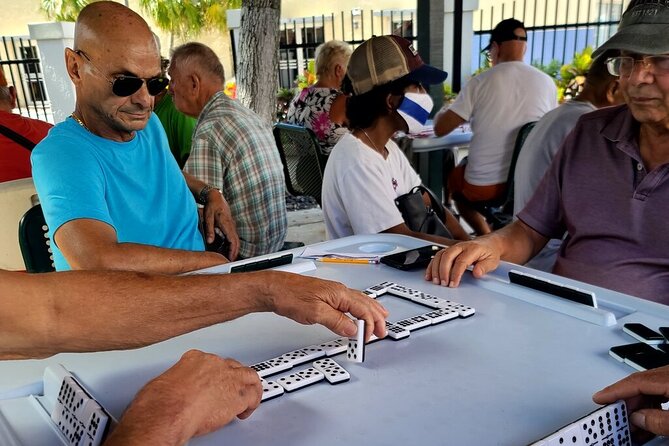
The tour begins at 1652 Southwest 8th Street, near the heart of Little Havana. The first stop is Domino Park, where community elders gather around the game that has become one of the neighborhood’s most recognizable social traditions.
You will learn how dominoes are played and why the plaza matters. This is a good opening because it shows Little Havana as a living neighborhood, not a museum display. The tables are not just decoration for a photograph. They point to the role of public gathering places, familiar games, and older community members in keeping social ties strong.
The scheduled stop is only about five minutes, so do not expect a long lesson in domino rules. The real value is the setting and the chance to connect a daily activity with the neighborhood’s Cuban identity.
You may want to take photographs here, but remember that people are using the park for their own social time. A respectful distance and a quick question before taking close-up pictures are good manners.
Cuban Memorial Boulevard and the politics of memory
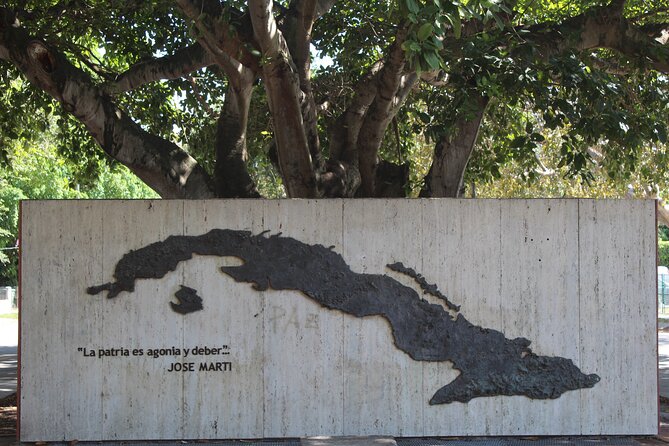
The walk continues to Cuban Memorial Boulevard Park around Southwest 13th Avenue and 8th Street. About 20 minutes are set aside for the monuments, making this the most clearly historical stop on the route.
The memorials honor Cuban figures and communities, as well as other groups connected with Little Havana. Your guide should explain the most important monuments and the stories behind them. This is where the tour can move beyond food and color into questions of exile, political change, military conflict, and the relationship between Cuban immigrants and the United States.
The memorial area is especially useful if you want to understand why Little Havana feels politically distinct from a generic Latin neighborhood. The monuments give the guide something concrete to point to, and they can help you place later stops in context.
Ask questions here if the subject interests you. How did different waves of Cuban migration change the neighborhood? Which monuments refer to military events? How has the area changed as Miami has grown? The available information promises historical explanation, but the depth will depend on the person leading your walk.
Tower Theater connects cinema with community life
Tower Theater receives a brief five-minute introduction. That may sound small, but the building gives you an important visual marker on Calle Ocho.
The theater opened in 1926 and has remained tied to the cultural life of the area. Your guide will explain its importance from its early years through today. The stop is not a theater tour, and you should not expect a long interior visit. Instead, it is a quick lesson in how an entertainment building can track the changing identity of a neighborhood.
For anyone interested in architecture, old cinemas, or Miami’s pre-Cuban history, this is a worthwhile pause. If you want more time for photographs or building details, use the walk between stops to ask questions.
More walking tours in Miami:
- The Official Art Deco Walking Tour by The Miami Design Preservation League
★ 5.0 · 1,580 reviews - South Beach Cultural Food and Walking Tour
★ 5.0 · 1,284 reviews - Miami South Beach Art Deco Walking Tour
★ 5.0 · 1,039 reviews - Walking Food Tour of Little Havana with Cuban Dishes Tasting
★ 5.0 · 495 reviews
Ball & Chain brings music into the story
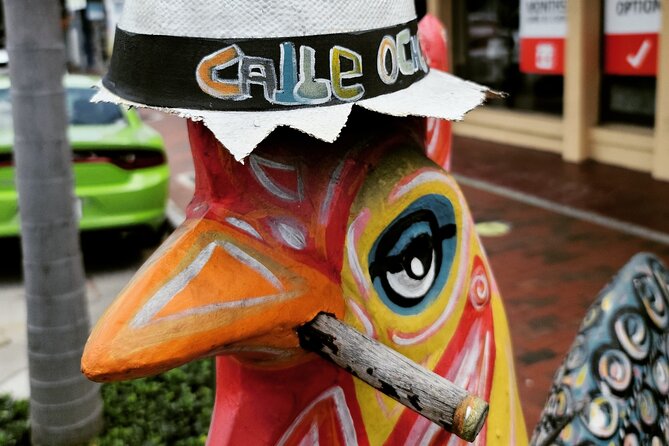
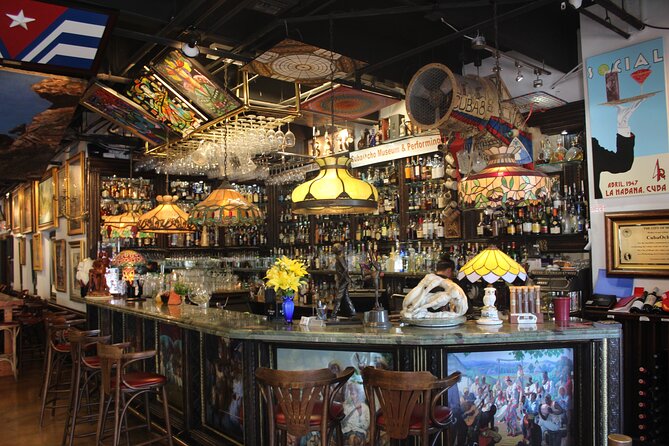
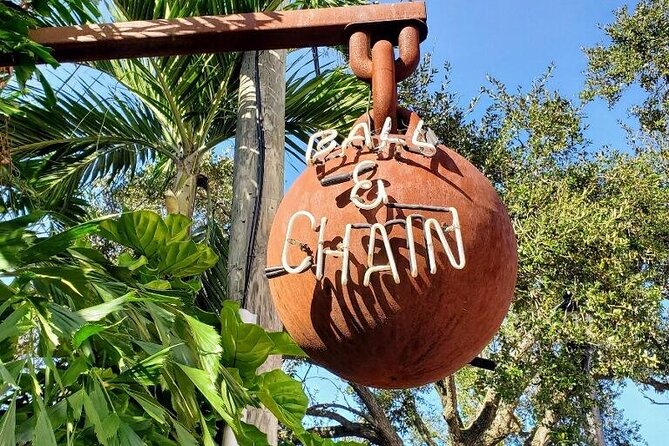
At Ball & Chain, the guide gives a short introduction to the venue’s history and cultural role. The site has been connected with music and Little Havana since 1935, making it one of the route’s strongest links between nightlife and neighborhood identity.
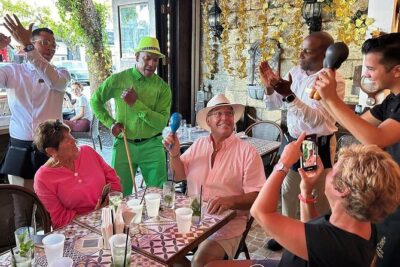
The planned visit lasts about 10 minutes. That is enough for an overview, but not enough for a full performance or a long evening in the club. Think of it as a historical doorway. The guide can explain how music helped make Calle Ocho a gathering place and how venues like this shaped the public image of Little Havana.
This stop also breaks up the monuments and street walking. You are moving from memorials and civic memory into music, food, and social life, which gives the tour a broader picture of Cuban culture.
Thirty minutes along Calle Ocho
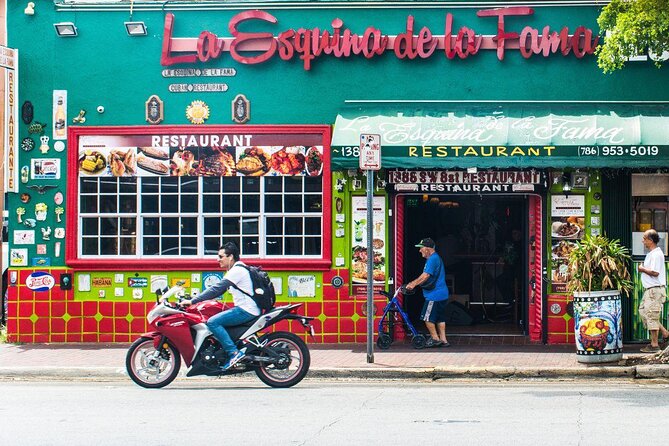
Calle Ocho is the main event. About 30 minutes are set aside to explain the local history, culture, food, and people, and this is where the tour feels most connected to present-day Little Havana.
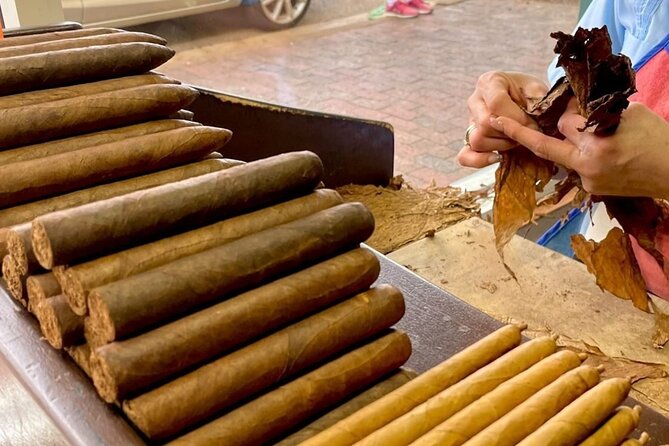
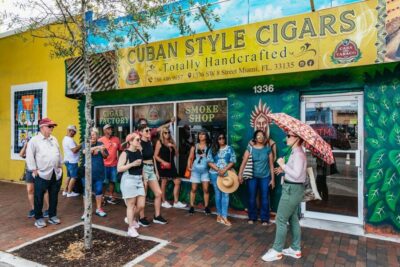
You might pass cigar shops, bakeries, clothing stores, galleries, murals, and places where locals gather. Accounts of the experience describe introductions to a cigar factory, a guayabera store, an art gallery, and the oldest store on Calle 8. The exact stops may vary, but the pattern is clear: you are likely to learn through small businesses and personal encounters rather than only through street lectures.
The cigar stop can be particularly useful because it shows a craft associated strongly with Cuban identity. You may see how cigars are made and, depending on the day, meet people working in the shop. This is not the same as buying a cigar, so you can take part in the explanation without treating the tour as a shopping trip.
The guayabera connection adds another practical cultural detail. You can learn why this shirt matters in Cuban culture, which is the sort of small subject that makes a neighborhood walk more memorable than a string of dates.
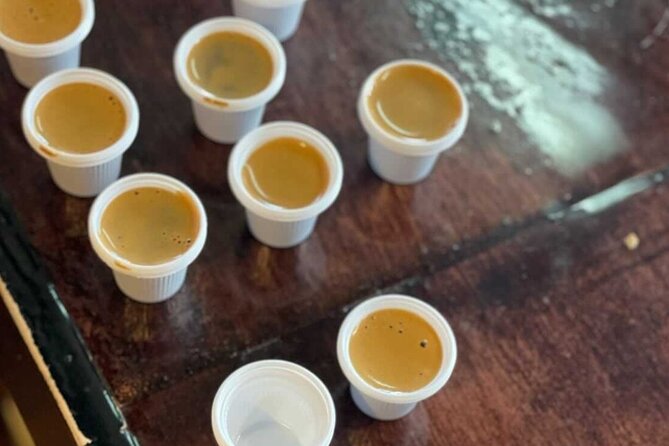
Food is part of the experience too. Cuban coffee or tea and a guava and cheese pastry are included. The pastry gives you a simple taste of local bakery culture, while the coffee offers a quick introduction to cafecito. The tour’s food description also presents the experience as five local tasting stops and the equivalent of a full meal, although the listed itinerary specifically names coffee and pastry. If you are booking mainly for food, confirm the current tasting plan before you go.
The food is best understood as a useful extra, not the sole reason to book. You are paying for the guide’s interpretation and access to small local places, with something to eat along the way.
Futurama 1637 and the role of local artists
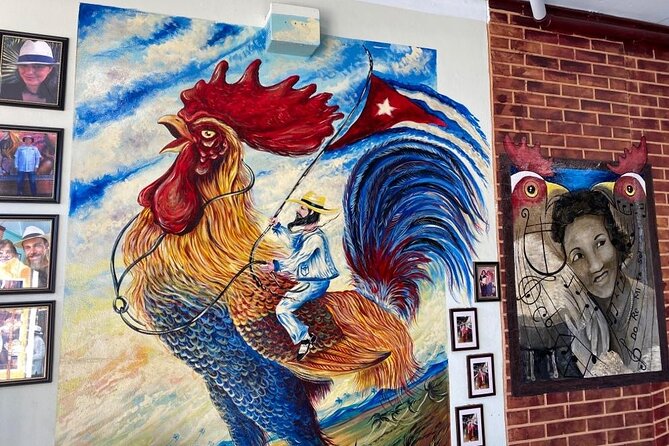
The final listed stop is Futurama 1637 Art Building, where about 20 minutes focus on the artists who help shape Little Havana’s future.
This stop gives the walk a welcome change of pace. The monuments look backward, while the art building shows how the neighborhood continues to express itself. Local artists have a large role in creating a prosperous community, and the guide shares stories about their work and lives.
On certain days, you may meet local Cuban artists. That possibility is worth noting, but it is not guaranteed every time. If you care about art, ask when booking or at the start of the tour whether an artist meeting is planned.
The art stop also helps explain why Little Havana is not frozen in one era. Cuban influence remains central, but the neighborhood is also shaped by new work, changing businesses, murals, and local residents building careers. That balance makes the stop more useful than a simple photo opportunity.
What the guides add, and where the tour can fall short
The strongest part of this experience is the guide’s ability to connect places with people. Faruk, also spelled Farouk in some accounts, is praised for his relaxed manner, Cuban history explanations, and introductions to local businesses and residents. Danny is also singled out for making the neighborhood’s culture and past easy to understand.
These guides appear to do more than recite prepared facts. They can point out a shop, explain what happens inside, and introduce you to someone who works there. That human contact is one reason the tour can feel more personal than walking Calle Ocho alone.
Still, you should manage your expectations. The tour is in English, though some guides speak intermediate Spanish. It is not designed as a bilingual event, so you cannot count on a full Spanish and English presentation.
The historical depth is uneven. Some accounts describe detailed explanations of Cuban and United States history, while one family wanted more discussion of Cuban heritage and the neighborhood’s changes over time. I would give your guide a clear request at the beginning: tell me more about migration, the 1950s, the Bay of Pigs, and how Little Havana has changed. That simple prompt may shape the entire walk.
Price, timing, and practical planning
The $39.99 price is reasonable if you want a short introduction with a guide, a snack, coffee, and access to several local places. It is less compelling if you only want photographs of Calle Ocho, since you can walk the street on your own for free.
The group can reach 15 people, but smaller groups are possible. A small group makes the price easier to justify because you have more time for questions and a better chance of speaking with the guide. The tour is booked an average of 11 days ahead, so reserve early if your Miami schedule is tight.
The starting point is 1652 Southwest 8th Street. The walk ends at 1300 Southwest 8th Street, a few blocks away, so you can continue exploring shops and restaurants without returning by taxi. This makes the tour a good first activity in Little Havana. You can use the guide’s suggestions to decide where to eat or browse afterward.
Public transportation is available by bus near the meeting point. On-street parking is also available, generally around $2 per hour through a mobile app, though you should follow the current street signs. Parking fees are not included.
Wear comfortable shoes and bring an umbrella if rain is possible. The tour generally operates in rain, and unsafe weather may lead to a rescheduled date or refund. Wheelchairs and baby strollers can be accommodated, and service animals are allowed. Most people can take part, though anyone who needs frequent rest should mention that when booking.
Vegetarian and dairy-free needs can be accommodated. Gluten-free food cannot be provided for people with celiac disease, so this tour is not a safe food choice for that requirement.
Who should book this walk?
I would choose this experience if you are new to Little Havana and want history tied to real streets, shops, art, and community spaces. It works especially well for families, couples, and older people who prefer a short route with regular stops.
It is also a smart first-day activity in Miami. You get your bearings, learn what the main sites mean, and finish near places where you can continue eating or shopping. The coffee and pastry keep the outing friendly rather than formal.
I would hesitate if your top priority is a long, academic lecture or a carefully fixed food itinerary. The route is short, and the tour’s historical quality depends on the guide. If you book, tell the guide exactly what you want to learn and ask for the fuller Cuban and Miami history.
Final verdict: a good introduction with one important condition
Book the Little Havana Walking Tour for History Buffs if you want a compact, personal look at Cuban culture through dominoes, memorials, music, food, shops, and art. At $39.99, the combination of a local guide, coffee, pastry, and a small group offers fair value.
The condition is simple: ask for history. Guides such as Faruk, Farouk, and Danny have delivered the kind of cultural explanation this tour promises, but not every experience may be equally detailed. If your guide responds to your questions with dates, context, and stories about Cuban migration and Miami’s growth, this can become one of the most useful introductions to the neighborhood. If you only receive shop introductions, you may feel shortchanged.
You can cancel for a full refund up to 24 hours before the start time. Cancellations within 24 hours are not refunded, and weather or minimum-group cancellations are handled with a new date or full refund.
FAQ
How long is the Little Havana Walking Tour for History Buffs?
The scheduled duration is about 1 hour and 30 minutes. The walk is less than a mile, though the exact length of the outing can vary with the group’s pace and conversations.
What food and drink are included?
Cuban coffee or tea and a guava and cheese pastry are included. The operator also describes the experience as five local tasting stops with food equal to a full-size lunch or dinner, so confirm the current food plan if that is your main reason for booking.
Where does the tour start and finish?
It starts at 1652 Southwest 8th Street in Miami and ends at 1300 Southwest 8th Street. The ending point is a few blocks from the start, near more shops and dining in Little Havana.
Is parking available near the meeting point?
Yes. On-street parking is available nearby and is typically about $2 per hour, paid through a mobile app. Check the street signs for current rates and payment instructions.
Is the tour wheelchair and stroller accessible?
Yes. The tour can accommodate wheelchairs and baby strollers. Service animals are also allowed.
Can I cancel for a refund?
You can cancel at least 24 hours before the start time for a full refund. Cancellations or changes made less than 24 hours before the tour are not accepted for a refund. If poor weather or an insufficient number of participants cancels the experience, you will be offered another date or a full refund.
More history and heritage tours in Miami
- Award-winning Art Deco & History Walking Tour in Miami Beach
★ 5.0 · 138 reviews - Miami Beach Art Deco & History Bike Tour with Design Enthusiast
★ 5.0 · 135 reviews - Miami Small Group Boat Tour: History, Wildlife, and Stiltsville
★ 5.0 · 65 reviews - Miami Beach Food & History Tour In Sobe
★ 5.0 · 49 reviews
New on the Miami list
- Miami: Wynwood Walls Street Art and Food Walking Tour★ 4.9 · 43 reviews
- Wynwood walking tour in French (2h)★ 4.9 · 9 reviews
- Wynwood Walls Street Art & Neighborhood Walking Tour★ 4.9 · 9 reviews
- Miami: HIDDEN WORLD OF MIAMI DESIGN DISTRICT★ 5.0 · 3 reviews
- Walking Tour with Cocktails(optional) Miami★ 4.9 · 18 reviews
- VIP Walking Tour of Little Havana★ 4.5 · 36 reviews
- Beach Yoga & Tea Experience on South Beach★ 5.0 · 19 reviews
- Horse Riding in Miami’s Countryside★ 4.5 · 6 reviews
Little Havana Tours, compared.
Little Havana Food Walking Tour with Tastings
Read our review →
Walking Food Tour of Little Havana with Cuban Dishes Tasting
Read our review →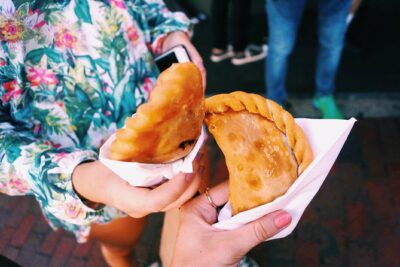
Little Havana Food Tour: Discover Iconic Cuban Cuisine in Miami
Read our review →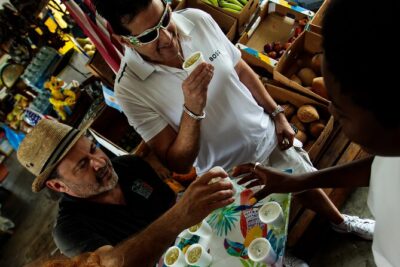
Little Havana Like a Local: Food, Culture & Hidden Gems
Read our review →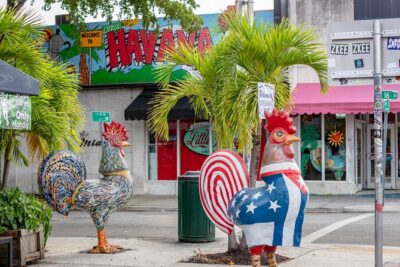
Browse the lists this tour appears in